
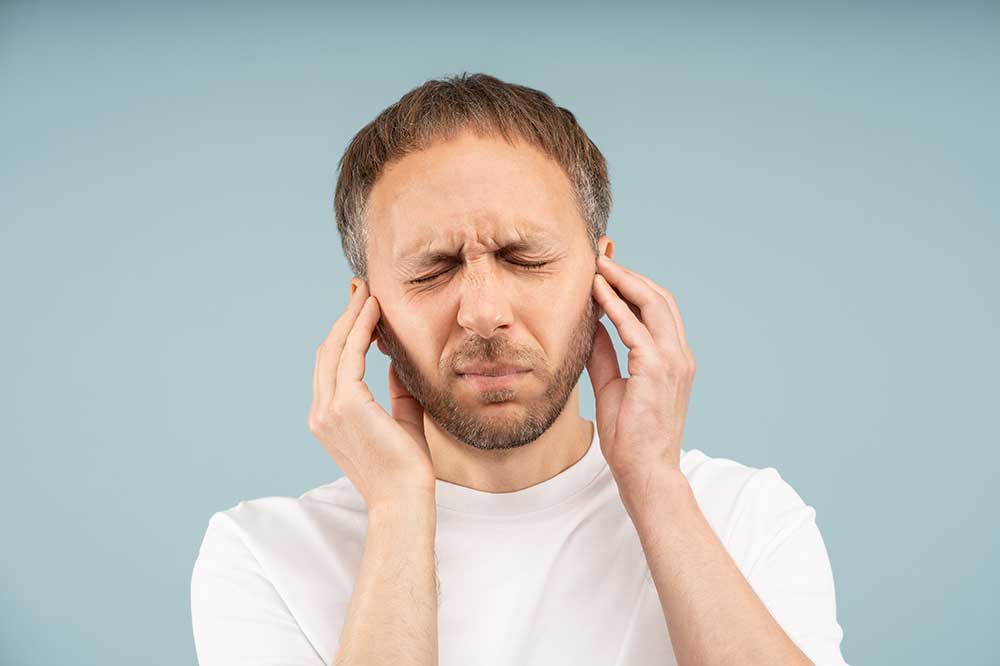
When life feels overwhelming, tinnitus often seems to follow along. Many people notice their tinnitus worsens when they are stressed or anxious, which can make the situation even more exasperating. At Gomer Hearing Center in Richardson and Allen, audiologists Rebecca Gomer, Au.D., Mary Beth Hendrix, Au.D., and Taylor Gilbow, Au.D., can evaluate tinnitus, assess your hearing, and help you explore tinnitus relief and management options that may reduce its impact on everyday life. Patients often find that recognizing the link between emotional strain and tinnitus helps them build coping habits for flare-ups.
Do Stressful Life Events Bring On Tinnitus?
Stressful life events are associated with tinnitus, but the role of stress and anxiety in bringing it on is not fully understood. Some people first notice tinnitus during or after a stressful period. That timing does not establish stress as the only cause, and tinnitus itself can create anxiety.
Tinnitus is the perception of sound without an external sound source. It may sound like ringing, buzzing, hissing, or humming. It often accompanies hearing loss and may also be linked to noise exposure, certain medications, earwax blockage, or ear conditions.
An evaluation can help identify contributing factors, and hearing testing is often the first step. Tell our audiologists when symptoms began, whether they affect one or both ears, and whether the sound follows your heartbeat.
How Can Anxiety Draw You Into a Cycle With Tinnitus?
Anxiety can draw you into a cycle with tinnitus by focusing your attention on the sound and making it harder to ignore. When you worry about what the ringing means, you may repeatedly check whether it has become louder. That monitoring keeps the sound prominent in your awareness.
The cycle works like this: tinnitus triggers worry, worry increases attention to the sound, and increased attention leads to more distress.
Anxiety-related worsening is a real experience, and it deserves support that addresses both the hearing symptoms and the response they provoke.
Why Might Tinnitus Bother You More During Stressful Periods?
Tinnitus may bother you more during stressful periods because high stress tends to make symptoms more noticeable and disruptive. Work demands, caregiving, illness, financial concerns, or major life changes may leave you with fewer resources to cope with symptoms.
Stress may also affect tinnitus indirectly. Disrupted sleep can make it harder to concentrate and manage frustration the next day. Exhaustion may increase your awareness of tinnitus, while intrusive tinnitus can make it harder to fall asleep.
Brief notes about sleep, stressful events, and daily functioning may help you recognize patterns. Focus on how symptoms affect activities rather than repeatedly measuring the sound. A flare-up can be a reason to review your coping plan, and persistent changes should be discussed with our audiologists.
What Simple Habits Can Ease Stress-Related Tinnitus?
Simple habits that you can practice consistently can ease stress-related tinnitus. The aim is to reduce strain and improve daily functioning, with approaches that fit your health and schedule. Try a few of these:
- Keep regular sleep and waking times.
- Practice slow, comfortable breathing or progressive muscle relaxation.
- Include regular physical activity appropriate for your health.
- Make time for enjoyable activities and social connection.
- Use gentle background sound, such as a fan or rainfall, when silence makes tinnitus prominent.
- Break demanding tasks into manageable steps and include rest periods.
Keep background sound comfortable rather than turning it up to overpower tinnitus. Protect your ears during hazardous noise exposure.
Caffeine doesn’t need to be eliminated automatically; however, if it increases your anxiety or disrupts sleep, discuss a gradual reduction rather than making several dietary changes at once. Avoid using alcohol as your main coping strategy.
If anxiety or sleep difficulties persist, seek support from a qualified healthcare professional. Relaxation habits can complement professional care, but ongoing distress may need a more structured approach. Start with one or two manageable changes and review how they affect your sleep, concentration, and participation in daily activities.
How Do Our Audiologists Help You Manage Tinnitus?
Our audiologists help you manage tinnitus by reviewing your symptoms, testing your hearing, and assessing how tinnitus affects sleep, concentration, communication, and emotional well-being. Questionnaires may help establish a starting point and track changes in daily functioning. Findings that suggest a medical concern may require an ENT or other specialist.
Depending on your needs, management may include:
- Tinnitus education and counseling about practical coping strategies
- Hearing aids when hearing loss is present
- Guidance on sound enrichment or appropriate sound-generating devices
- Follow-up visits to review progress and adjust the plan
Hearing aids can improve access to speech and environmental sounds, which may make tinnitus less noticeable. Some devices combine amplification with a sound generator. Benefits vary, and hearing aids are not automatically appropriate when hearing is normal.
Our audiologists may also recommend a referral for cognitive behavioral therapy, or CBT. Delivered by a trained professional, CBT can help change unhelpful thoughts and behaviors related to tinnitus. It can reduce distress and improve quality of life even if the sound remains.
A medical clinician may treat associated anxiety, depression, or insomnia when appropriate. Medication decisions depend on your health history; do not stop prescribed medicines without discussing them with the prescriber.
Some tinnitus programs combine counseling and sound therapy, including tinnitus retraining therapy. These approaches require individualized discussion and realistic expectations. No single approach works for everyone, and advertised supplements have not been proven to cure tinnitus.
Find Tinnitus Support at Gomer Hearing Center in Richardson or Allen
Rebecca Gomer, Au.D., Mary Beth Hendrix, Au.D., and Taylor Gilbow, Au.D., welcome you to schedule a consultation whenever tinnitus and stress affect your routine. Your evaluation can help clarify whether hearing aids, sound-based support, medical referral, or coordinated care for anxiety would be appropriate.
Call our Richardson office at 972-362-6662 or our Allen office at 972-908-9648, or contact Gomer Hearing Center to schedule an appointment.